
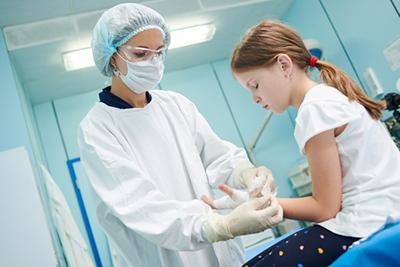
Wounds are more than just skin deep. They can affect tissue, nerves, muscles, and even bones. Knowing what kind of wound you're dealing with can help you decide whether it's something you can manage at home or if it’s time to call in a medical team. At Virgin Islands Orthopaedics and Medical Specialists, with locations in St. Thomas and St. Croix, our physicians are experienced at wound care and helping patients avoid complications like infection, delayed healing, and long-term scarring.
Lacerations and Cuts
Lacerations are deep or jagged cuts that go through multiple layers of skin. These often happen during accidents with sharp tools or machinery and may bleed heavily. If a wound is deep, gaping, or won’t stop bleeding, it usually requires medical attention for proper cleaning, stitches, and monitoring for infection.
Puncture Wounds
Punctures are small but deep wounds caused by sharp objects like nails or animal bites. They may not bleed much on the surface, but they can drive bacteria deep into tissue. These wounds often need tetanus shots, antibiotics, and follow-up care at our St. Thomas and St. Croix offices to avoid infections.
Abrasion and Road Rash
These are superficial wounds where the skin is scraped away, often resulting from falls or bike accidents. While many abrasions can be managed at home with gentle cleaning, ones that cover large areas or contain embedded debris may need professional care to ensure proper healing and reduce the risk of scarring.
Pressure Ulcers
Also known as bedsores, pressure ulcers occur when skin and tissue break down due to prolonged pressure and are especially common in people with limited mobility. Early-stage pressure sores might just look like redness, but deeper ones can expose muscle and bone. The Virgin Islands Orthopaedics and Medical Specialists team provides wound management and prevention strategies to help patients heal safely.
Diabetic Ulcers
For patients with diabetes, even a small blister or scrape on the foot can turn into a serious wound. Diabetic ulcers often result from poor circulation and nerve damage. They require close monitoring, debridement, and careful wound care to avoid infections or the risk of amputation.
Surgical Wounds and Complications
Wounds from surgery should heal predictably, but sometimes issues such as dehiscence (wound reopening), excessive drainage, or signs of infection need medical management. We support post-operative wound care for orthopedic and general surgeries, offering follow-up assessments and intervention when needed.
Find the Right Support for Your Healing
Whether you’re dealing with a minor injury that needs stitches or a chronic wound that just won’t heal, you don’t have to wait any longer for a professional evaluation. Virgin Islands Orthopaedics and Medical Specialists in St. Thomas and St. Croix provide expert care for a wide range of wound types, helping patients heal faster and get back to living fully. If you have a wound that looks concerning, don’t wait, call our St. Thomas office at 340-714-2845 or our St. Croix office at 340-692-5000.